

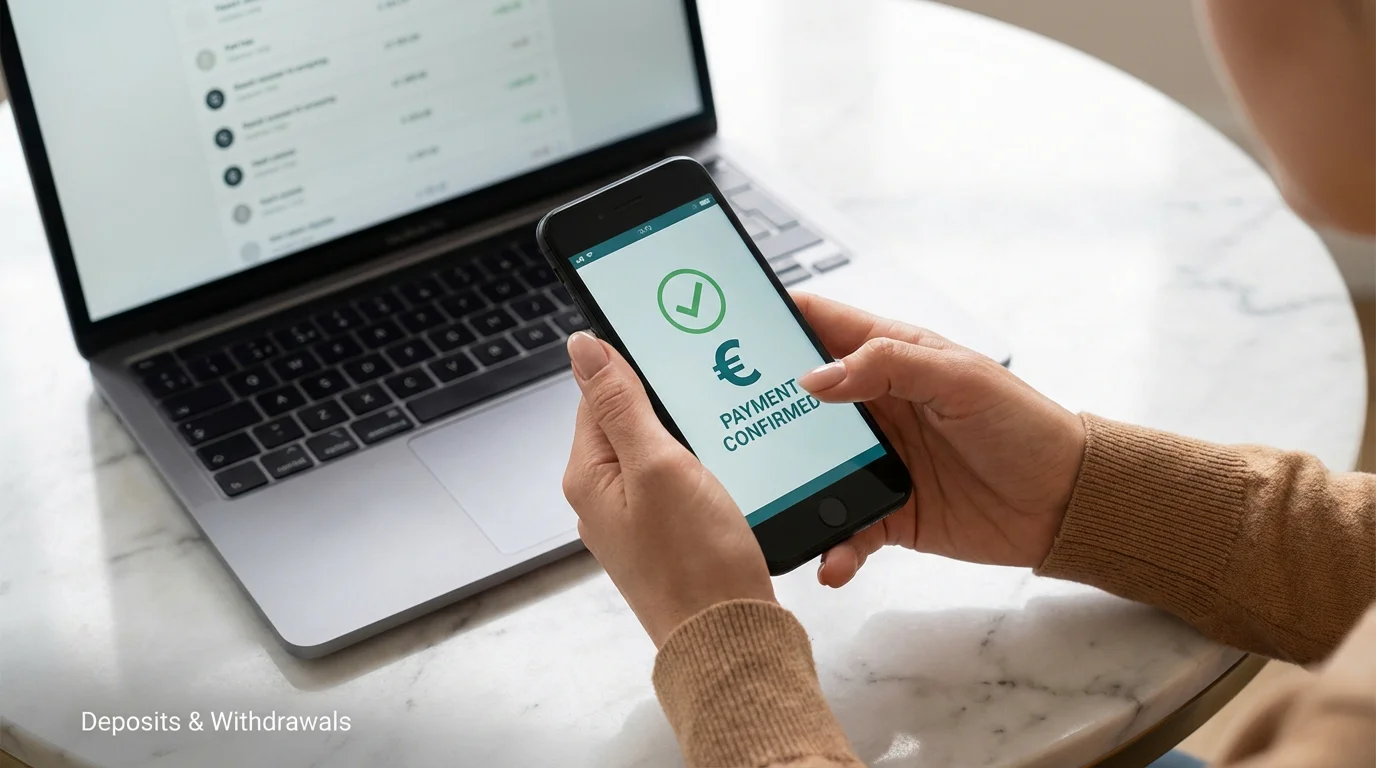
The Banking Landscape Outside UKGC Walls
UK banks actively block transactions to offshore casinos — that’s the starting condition. If you’ve tried depositing at a non-GamStop casino with a standard Barclays, Lloyds, or HSBC debit card, there’s a fair chance the transaction was declined before it reached the casino’s payment processor. This isn’t a technical fault. It’s a deliberate policy decision by UK financial institutions that shapes every payment interaction in the non-GamStop space.
The reason is regulatory pressure rather than specific legislation. The UKGC doesn’t directly instruct banks to block payments to offshore operators, but the broader anti-money-laundering framework and the banks’ own risk appetite combine to create an environment where processing transactions to unlicensed gambling sites carries compliance risk that most UK banks prefer to avoid. The result is a payment landscape that looks fundamentally different from what you’d encounter at a UKGC-regulated casino, where Visa and Mastercard deposits process in seconds without friction.
This banking blockade is the reason cryptocurrency has become the dominant payment method at non-GamStop casinos — not because operators or players inherently prefer it, but because traditional banking rails are partially severed. The shift has created a two-tier payment system: crypto for speed and reliability, fiat methods for players willing to navigate the friction. Both tiers carry their own advantages, costs, and risks, and understanding the mechanics of each determines whether your money moves smoothly or gets stuck in processing limbo.
For mobile players, the payment question has an additional dimension. Every deposit and withdrawal happens through a phone screen, which means the payment interface, wallet integration, and transaction confirmation flow all need to work within the constraints of a smaller display and touch-based interaction. Some non-GamStop casinos have optimised their mobile payment experience extensively. Others have bolted a mobile skin onto a desktop payment system that wasn’t designed for thumb navigation. The difference becomes obvious the first time you try to paste a 34-character Bitcoin address on a 6-inch screen.
This guide covers the full spectrum of payment methods available at non-GamStop mobile casinos: cryptocurrency options and how to set them up, which card transactions still process and which don’t, e-wallet alternatives and their specific trade-offs, withdrawal speeds across every method, the fee structures that aren’t always transparent, and the security considerations that should inform every banking decision you make at an offshore platform. The goal is practical — not which method is “best” in abstract terms, but which method fits your specific situation as a UK player on mobile.
Cryptocurrency — The Default Payment Rail for Non-GamStop
Crypto didn’t become the non-GamStop standard by accident. It became the standard because UK banking infrastructure made traditional payments unreliable for offshore gambling, and cryptocurrency routes around that problem entirely. No bank approval, no transaction blocks, no merchant category codes flagging your deposit as gambling-related. The transaction moves from your wallet to the casino’s wallet through the blockchain, and the banking system is never involved.
The practical advantages extend beyond avoiding bank blocks. Crypto deposits at non-GamStop casinos are typically processed within minutes — Bitcoin transactions confirm in 10 to 60 minutes depending on network congestion and fees, while stablecoins like USDT on the Tron network settle in under a minute. Withdrawals follow the same path in reverse, often completing within hours rather than the days required for fiat methods. For mobile players, this speed means you can deposit, play, and withdraw within a single session without waiting for banking intermediaries to process anything.
Privacy is the other driver. Crypto deposits don’t appear on bank statements as gambling transactions. There’s no paper trail connecting your bank account to an offshore casino, which matters for players who prefer to keep their gambling activity private — whether for personal reasons or because they’re concerned about future creditworthiness assessments that flag gambling transactions.
Bitcoin, USDT, Ethereum — Which Coin for Which Purpose
Bitcoin remains the most widely accepted cryptocurrency at non-GamStop casinos, but it’s not necessarily the best choice for every situation. BTC’s value fluctuates, which means a £200 deposit could be worth £190 or £210 by the time you finish playing. For short sessions, this volatility is negligible. For funds sitting in a casino balance over days or weeks, it introduces a layer of financial risk entirely separate from gambling outcomes.
USDT (Tether) solves the volatility problem by pegging its value to the US dollar. A £200 deposit in USDT retains approximately the same purchasing power regardless of how long it sits in your account. Transaction speeds on the Tron (TRC-20) network are fast — typically under a minute — and fees are minimal, often under £1. The trade-off is that fewer non-GamStop casinos accept USDT compared to Bitcoin, though adoption has grown significantly since 2024.
Ethereum occupies a middle position. Widely accepted, faster than Bitcoin on average, but subject to gas fees that can spike unpredictably. A routine Ethereum transaction might cost £2 during quiet periods and £20 during network congestion. For deposits over £100, the gas fee is proportionally manageable. For smaller deposits, it can consume a meaningful percentage of your funds before you’ve placed a single bet. Ethereum also supports smart contracts, which some newer non-GamStop platforms use for provably fair gaming verification — a niche advantage that most players won’t encounter in practice.
Litecoin, Bitcoin Cash, Dogecoin, and various other altcoins appear at some non-GamStop casinos but with inconsistent support. If your preferred casino accepts them, they can offer faster transaction times and lower fees than Bitcoin. If you’re choosing a coin specifically for casino deposits, USDT on TRC-20 is the most practical combination of speed, stability, and low fees currently available.
Setting Up a Crypto Wallet for Mobile Casino Deposits
If you don’t already hold cryptocurrency, the setup process for mobile casino deposits involves three steps: creating a wallet, purchasing crypto through an exchange, and transferring funds to the casino. The entire process takes roughly fifteen to thirty minutes the first time and becomes near-instantaneous once established.
A mobile crypto wallet — Trust Wallet, MetaMask, or Coinbase Wallet are the most common — stores your private keys and allows you to send and receive cryptocurrency. Install the app, secure it with a PIN and biometric lock, and write down the recovery phrase on paper (not in a screenshot, not in a note on your phone). That recovery phrase is the only way to restore your wallet if your device is lost or replaced.
Purchasing crypto typically happens through an exchange: Coinbase, Kraken, or Binance are popular with UK users, though each has its own verification requirements and fee structures. Most exchanges accept UK bank transfers and debit cards for purchasing crypto. The irony isn’t lost on anyone — your bank will likely process a transaction to buy Bitcoin on Coinbase without issue, even though it would block the same amount sent directly to an offshore casino.
Once you hold crypto in your wallet, depositing at a non-GamStop casino involves copying the casino’s deposit address, pasting it into your wallet’s send function, entering the amount, and confirming. On mobile, this is a copy-paste operation that takes thirty seconds. The critical step is verifying the deposit address — always check the first and last six characters of the address match what the casino displayed. Sending crypto to an incorrect address means permanent, irreversible loss of funds with no chargeback mechanism and no customer support that can help.
Credit and Debit Cards — What UK Banks Allow and Block
Since April 2020, credit cards are banned for UK gambling. Offshore sites have no such rule — a Curacao-licensed casino will happily accept your Visa credit card because it isn’t bound by UKGC regulations. Whether your card issuer will process the transaction is an entirely separate question, and the answer depends on the bank, the card network, and increasingly, the specific merchant category code the casino’s payment processor uses.
Debit cards are the more relevant option for most UK players. Visa and Mastercard debit transactions to non-GamStop casinos succeed inconsistently. Some banks — particularly digital-first institutions like Monzo, Revolut, and Starling — tend to block gambling-related transactions by default, though users can sometimes toggle gambling blocks on and off through the app’s settings. Traditional high-street banks vary: HSBC and Barclays are known for relatively aggressive blocking of offshore gambling transactions, while others may process them depending on the casino’s payment routing.
The payment processor matters as much as the bank. Non-GamStop casinos use third-party payment aggregators that route card transactions through intermediary companies. These intermediaries sometimes register as e-commerce merchants rather than gambling operators, which means the transaction arrives at your bank categorised as a general purchase rather than a gambling deposit. This routing strategy works until the bank identifies the pattern and blocks the specific processor — a cat-and-mouse dynamic that makes card deposit reliability unpredictable month to month.
When card deposits do process, the experience on mobile is straightforward: enter card details (or use saved card data), confirm the amount, and authenticate via 3D Secure. The deposit appears instantly in your casino balance. Withdrawals back to debit cards are slower — typically three to five business days — and subject to additional verification at both the casino and bank ends. Some UK banks will accept incoming transfers from offshore gambling processors even when they block outgoing deposits, but this isn’t guaranteed.
The practical advice for card users: attempt a small test deposit before committing to a platform. If your card processes a £10 deposit successfully, it will likely work for larger amounts through the same processor. If it’s declined, you have your answer — switch to an alternative method rather than trying different card details, which can trigger fraud alerts on your account. Keep in mind that card transactions to offshore casinos may appear on your statement with generic merchant names, but your bank can still identify the transaction type through backend data, and this information may be accessible during mortgage applications or financial assessments.
E-Wallets — Skrill, Neteller, and the PayPal Question
E-wallets act as a buffer between your bank and the casino. You fund the e-wallet from your bank account or card, then deposit from the e-wallet to the casino. The bank sees a transfer to Skrill or Neteller — a licensed financial services provider — rather than a transfer to an offshore gambling operator. This intermediary step is the primary reason e-wallets remain popular at non-GamStop casinos despite crypto’s growing dominance.
Skrill and Neteller are the two e-wallets most widely accepted at non-GamStop mobile casinos, both owned by the same parent company (Paysafe Group). Account setup requires identity verification — passport or driving licence, proof of address — which typically completes within 24 to 48 hours. Once verified, deposits to and from gambling sites process in minutes. Both services offer mobile apps with touch-friendly interfaces designed for quick transactions.
The cost structure is where e-wallets become less attractive. Skrill charges up to 1% on card-funded deposits into your Skrill account, and some non-GamStop casinos add their own processing fee on e-wallet deposits (typically 2% to 5%). Currency conversion fees apply if the casino operates in USD or EUR while your Skrill account holds GBP — often at unfavourable exchange rates with an additional margin built in. Over multiple deposit-withdrawal cycles, these layered fees erode your bankroll in ways that aren’t immediately visible in any single transaction.
Neteller operates on a similar fee model but with slightly different caps and structures. Both services have historically restricted accounts used primarily for gambling transactions, occasionally freezing funds pending additional verification. This is more common with high-volume users whose deposit patterns trigger automated compliance reviews. If your e-wallet account is frozen, your funds are held — not lost, but inaccessible until verification is completed, which can take days or weeks.
PayPal is the elephant in the room. Despite being the most popular e-wallet in the UK by user count, PayPal’s presence at non-GamStop casinos is minimal. PayPal restricts its gambling services to UKGC-licensed operators, which means offshore casinos can’t offer it as a payment method. Any non-GamStop casino that claims to accept PayPal is either misrepresenting its capabilities or routing through an unauthorised integration that could result in frozen funds for both parties. If PayPal is your preferred payment method, the non-GamStop market essentially doesn’t accommodate you.
Paysafecard offers a prepaid alternative — you purchase a voucher with a 16-digit PIN and use it to deposit. The advantage is complete separation from your bank: you buy the voucher with cash or card, and the deposit carries no connection to your financial accounts. The disadvantage is that Paysafecard is deposit-only at most non-GamStop casinos. Withdrawals require a different method, which means you’ll need a secondary payment option regardless. Voucher limits also apply — typically £50 to £250 per transaction — making it impractical for larger deposits. Whatever method you choose for deposits, the real test comes when you try to get your money out.
Withdrawal Speed Comparison Across Payment Methods
Deposit speed is marketing. Withdrawal speed is where platforms reveal themselves. Every non-GamStop casino can process a deposit instantly because the incentive to get your money into play is absolute. Withdrawals introduce a different incentive structure — one where the casino benefits from delay, because every hour your funds sit in a pending state is an hour you might cancel the withdrawal and continue playing.
Cryptocurrency withdrawals are the fastest available option at most non-GamStop casinos. Once the casino approves the withdrawal request — which involves an internal review period typically ranging from zero to four hours — the blockchain transaction itself completes within the timeframe of the selected network. Bitcoin withdrawals confirm in 10 to 60 minutes, USDT on TRC-20 in under five minutes, and Ethereum in two to fifteen minutes. The total time from clicking “withdraw” to seeing funds in your wallet ranges from under an hour at the fastest operators to around twelve hours at slower ones.
E-wallet withdrawals occupy the middle ground. Once approved by the casino, the transfer to Skrill or Neteller typically arrives within a few hours, though some platforms quote 24 to 48 hours. The internal approval step is the variable — some non-GamStop casinos process e-wallet withdrawals faster than crypto withdrawals simply because the compliance checks on fiat transactions are handled by the e-wallet provider rather than the casino itself.
Card withdrawals to Visa or Mastercard debit are the slowest standard option. After casino approval, the bank processing chain adds one to five business days. Weekends and bank holidays extend this further. A withdrawal initiated on Friday evening might not appear in your account until the following Wednesday or Thursday. Mastercard tends to process slightly faster than Visa for gambling-related returns, but the difference is measured in hours rather than days.
Bank transfers are the most variable. Wire transfers to UK bank accounts from offshore casinos can take one to seven business days depending on the intermediary banks involved, the currencies being converted, and whether the transfer triggers additional compliance checks at the receiving bank. SWIFT transfers carry their own fee structure — typically £15 to £30 per transaction — making them impractical for smaller withdrawals.
The approval stage deserves separate attention. Most non-GamStop casinos impose a “pending period” on withdrawals — typically 24 to 72 hours — during which the request can be reversed by the player. This cooling-off period is presented as a responsible gambling tool, but it also serves the casino’s interests by providing a window for players to change their minds and return funds to play. The most player-friendly operators offer instant or near-instant approval with no reversible pending period, particularly for crypto withdrawals. If a casino’s pending period exceeds 48 hours, treat it as a yellow flag for overall withdrawal reliability.
Deposit Limits, Fees, and the £150 Affordability Threshold
UKGC sites trigger financial vulnerability checks at £150 net deposits per month. Offshore sites don’t have that tripwire — and this single regulatory difference shapes more payment behaviour than any other factor in the non-GamStop market.
Under UKGC rules, operators must conduct financial risk assessments when a player’s net deposits reach certain thresholds. Since February 2025, a net deposit of £150 within a rolling 30-day period triggers a light-touch financial vulnerability check — an automated process using publicly available data from credit reference agencies. These light-touch checks are designed to be frictionless for most players, with the Gambling Commission estimating that around 80% of checked accounts would pass without issue. However, if the check flags a concern, the operator may request further documentation before allowing continued deposits. For many UK players, the prospect of any financial scrutiny — even automated — makes offshore alternatives attractive.
Non-GamStop casinos don’t operate under UKGC affordability rules. Deposit limits at offshore platforms are set by the casino itself, and they tend to be generous: £5,000 to £10,000 per transaction is common for card and e-wallet deposits, with crypto deposits often carrying no upper limit at all beyond what the blockchain can process. Minimum deposits are typically low — £10 to £20 for fiat methods, sometimes as little as £5 for crypto — which keeps the barrier to entry minimal.
The fee landscape varies by method and by casino, and transparency is inconsistent. Some non-GamStop platforms advertise “zero fees” on deposits but recover costs through unfavourable exchange rates when converting between currencies. Others charge explicit processing fees of 2% to 5% on certain payment methods, particularly credit cards and less common e-wallets. Crypto deposits are usually genuinely fee-free from the casino’s side, though the network transaction fee (paid to miners or validators, not to the casino) still applies.
Withdrawal fees are where the hidden costs concentrate. Many non-GamStop casinos allow one “free” withdrawal per week or per month and charge a flat fee or percentage on additional withdrawals. The fee might be £5 to £25 for fiat methods and 0.5% to 1% for crypto. VIP players typically receive unlimited free withdrawals as a tier benefit, which creates an incentive to maintain higher deposit and play volumes — exactly the behaviour that generates more revenue for the casino.
Currency conversion adds another cost layer. Non-GamStop casinos frequently operate in USD or EUR rather than GBP. If you deposit in pounds and the casino converts to dollars, you’re paying the casino’s exchange rate — which invariably includes a margin above the market rate. The same conversion happens in reverse on withdrawal. Over a series of deposit-withdrawal cycles, this bidirectional conversion fee can consume 3% to 5% of your total throughput without appearing as a discrete charge on any transaction.
The practical approach is to match your payment currency to the casino’s operating currency wherever possible. If the casino runs in USD, depositing USDT eliminates the conversion entirely. If you’re using GBP, look for platforms that maintain GBP account balances without forced conversion. And always check whether withdrawal fees apply before making your first deposit — discovering a £25 withdrawal fee after you’ve already deposited is a frustration that’s easily avoided with five minutes of reading the banking page.
Keeping Your Money Safe — Encryption, Segregation, and Red Flags
A fast deposit means nothing if the withdrawal never arrives. Security at non-GamStop casinos operates on three levels — data encryption, financial practices, and operational reliability — and all three need to hold for your money to be genuinely safe.
Data encryption is the baseline. Any legitimate non-GamStop casino uses SSL/TLS encryption (visible as HTTPS and a padlock icon in your mobile browser) to protect data in transit. This prevents third parties from intercepting your payment details, login credentials, and personal information. SSL certification is inexpensive and easy to implement, which means its presence tells you almost nothing about the casino’s overall trustworthiness — but its absence tells you everything. A non-GamStop casino operating without SSL encryption in 2026 is either technically incompetent or deliberately negligent, and neither warrants your business.
Financial segregation is the more meaningful security indicator. UKGC-regulated casinos are required to hold player funds in segregated accounts — separate from the company’s operational funds — so that player balances are protected if the operator becomes insolvent. Most offshore licensing jurisdictions don’t mandate the same level of segregation. A Curacao-licensed casino might commingle player funds with operating capital, meaning your account balance exists as a number in a database rather than as money held in trust. If that casino encounters financial difficulties, your balance has no legal protection.
The practical difficulty is that non-GamStop casinos rarely disclose their fund management practices. You can check the licence (if verifiable), review the terms and conditions for any mention of fund segregation, and look for third-party auditor certifications (eCOGRA, iTech Labs, GLI) that sometimes include financial practice assessments. Beyond that, the most reliable indicator is operational track record — how long the casino has been operating, whether it has a documented history of processing withdrawals without extended delays, and whether player communities report consistent payout behaviour.
Red flags for financial security include: withdrawal requests that consistently sit in “pending” status for more than 72 hours, customer support that becomes unresponsive when withdrawal issues are raised, sudden changes to withdrawal limits that weren’t communicated in advance, and any request for additional deposits as a condition of releasing a withdrawal (a hallmark of fraudulent operations). On mobile, also watch for payment pages that redirect to unfamiliar domains or display different branding than the main casino site — these can indicate compromised payment processors or phishing attempts.
Two-factor authentication (2FA) adds a meaningful layer of account security. Not all non-GamStop casinos offer it, but those that do — typically through authenticator apps like Google Authenticator or via SMS codes — provide protection against unauthorised account access. Enable 2FA on both your casino account and your crypto wallet if using cryptocurrency. The few seconds of additional login friction are trivial compared to the consequences of account compromise.
Your Banking Method Is Your First Risk Decision
Choosing how to pay isn’t a logistics question at non-GamStop casinos — it’s a security decision. Every payment method carries a distinct risk profile, and the one you select determines not just how your money moves, but how much of it survives the journey.
Cryptocurrency offers the fastest, most reliable deposit and withdrawal path but requires you to manage wallet security, navigate volatile asset values (unless using stablecoins), and accept that transactions are irreversible. Cards offer familiarity but unreliable processing, slower withdrawals, and a paper trail that connects your bank account to offshore gambling. E-wallets provide intermediary protection and reasonable speed but layer fees that compound across transactions. Bank transfers are the slowest and most expensive option for routine use.
The right choice depends on what you’re optimising for. Speed and privacy favour USDT on a Tron-compatible wallet. Simplicity and familiarity favour Skrill or Neteller if you’re willing to absorb the fee structure. Card deposits work for players whose banks haven’t blocked offshore gambling transactions and who don’t mind the withdrawal timeline. There is no universally correct answer — only the answer that fits your priorities and your tolerance for the trade-offs each method imposes.
What remains constant across every method is the need for due diligence before your first deposit. Check which payment methods the casino actually supports on mobile — not just what’s listed on their desktop payment page, which sometimes includes options not yet integrated into the mobile interface. Test with a small amount before committing larger sums. Verify that the withdrawal path works by making a minimum withdrawal before building a significant balance. And maintain records of every transaction, including screenshots of deposit confirmations and withdrawal requests, because if a dispute arises, your documentation is the only evidence you control.
The payment infrastructure at non-GamStop casinos is a direct consequence of operating outside UKGC regulation. The freedom from affordability checks and credit card bans comes packaged with reduced consumer protections, inconsistent banking access, and a heavier burden of self-management. UK banks aren’t blocking these transactions arbitrarily — they’re responding to the risk profile of the market. Whether you share their assessment or not, the practical reality is that depositing at a non-GamStop casino requires more planning, more awareness, and more personal responsibility than funding an account at a regulated UK platform. Your banking method is the first expression of that responsibility, and it sets the tone for everything that follows.
Find more payment guides at mobilecasinonotgamstop. Also read our PayPal casino not on Gamstop UK.